• The PastThe PastThe Past
  • The PresentThe PresentThe Present
  • About usAbout usAbout us
  • ServicesServicesServices
  • Case StudiesCase StudiesCase Studies
  • ArticlesArticlesArticles
  • UX CoursesUX CoursesUX Courses
  • CareersCareersCareers
  • Contact usContact usContact us
Logo
Logo
Address
7424 Takhassusi St. 12314 1st floor, offices 101 to 105 Riyadh, Saudi Arabia
Location on map
E-mail
hello@uxbert.com
Phone
+966 55 517 50 57

Quick Links

  • About usAbout usAbout us
  • UX CoursesUX CoursesUX Courses
  • Case StudiesCase StudiesCase Studies
  • CareersCareersCareers
  • Contact usContact usContact us
  • ArticlesArticlesArticles

Services

  • User Experience & ResearchUser Experience & ResearchUser Experience & Research
  • User Interface Design (UI)User Interface Design (UI)User Interface Design (UI)
  • DevelopmentDevelopmentDevelopment
  • MarketingMarketingMarketing
  • Strategy & TransformationStrategy & TransformationStrategy & Transformation
  • Artificial Intelligence (AI)Artificial Intelligence (AI)Artificial Intelligence (AI)
  • Augmented Reality (AR)Augmented Reality (AR)Augmented Reality (AR)

Follow us

  • thumbnail for LinkedIn
    LinkedInLinkedInLinkedIn
  • thumbnail for X
    XXX
  • thumbnail for Instagram
    InstagramInstagramInstagram
  • thumbnail for Youtube
    YoutubeYoutubeYoutube
  • thumbnail for Facebook
    FacebookFacebookFacebook

Transform and grow your business now

Hire us
© 2026 UXBERT. All Rights Reserved.
  • Privacy Policy
  • Terms of service

Generative AI & Arabic Localization

Scroll down
Generative AI
Arabic Localization
LoRA
QLoRA
RAG
Generative AI
Arabic Localization
LoRA
QLoRA
RAG
Generative AI
Arabic Localization
LoRA
QLoRA
RAG
Generative AI
Arabic Localization
LoRA
QLoRA
RAG
Generative AI
Arabic Localization
LoRA
QLoRA
RAG
Generative AI
Arabic Localization
LoRA
QLoRA
RAG
Generative AI
Arabic Localization
LoRA
QLoRA
RAG
Generative AI
Arabic Localization
LoRA
QLoRA
RAG

Overview

Arabic-first generative AI, tuned to your culture, dialect, and domain.

The generative AI revolution is happening primarily in English. Most large language models are trained predominantly on English-language data, evaluated against English benchmarks, and deployed with English-language alignment and safety frameworks. When these models are deployed in Arabic-speaking markets, the result is AI that is technically capable but culturally misaligned, producing outputs that feel translated rather than native, that miss the register and tone appropriate to Gulf audiences, and that create real compliance risk in regulated sectors.

Our Generative AI & Arabic Localization practice exists to close this gap. We develop and adapt generative AI solutions that are genuinely Arabic-first, collecting and curating Arabic-language corpora across dialects, building fine-tuned models using LoRA and QLoRA techniques, developing RAG pipelines grounded in your specific domain knowledge, and running the cultural quality assurance and safety evaluation that global vendors skip.

Why choose our Generative AI & Arabic Localization service?

Arabic is the native language of 420 million people and the lingua franca of every significant market in the Gulf. For organizations serving these markets, deploying English-first AI with a localization layer is not equivalent to deploying genuine Arabic-first AI, the difference is felt immediately by users in the quality of language, the appropriateness of cultural references, and the confidence with which the system handles domain-specific terminology.

UXBERT’s Arabic AI capability is built on more than a decade of working with Arabic-language data, content, and user experience in the Gulf region. We understand the difference between MSA, Khaleeji, Hejazi, and Egyptian dialects as they present in customer interactions, and we build models that handle this variation rather than collapsing everything into formal written Arabic that few customers actually speak.

Our governance approach is equally distinctive. Every model we fine-tune or deploy is evaluated against a Safety & Governance Scorecard covering toxicity, bias, hallucination, and PII/compliance dimensions. We run red-teaming and jailbreak testing as standard. And we produce the audit-ready documentation that your legal, compliance, and data protection teams will need when regulators ask questions.

Discover more about our digital services get to know our expert team.

Our Process

01

Corpus Collection, Curation & Use Case Scoping

Structured dialogue to identify generative AI use cases, content generation, document summarisation, classification, extraction, conversational AI, knowledge retrieval, or domain-specific generation. Arabic corpus collection across relevant dialects and domains, with cleaning, labelling, and quality scoring applied before any model work begins. Prompt Engineering Playbook drafted covering core task patterns for your use case portfolio.

02

RAG Architecture & Fine-tuning Design

Technical architecture design, balancing RAG with Arabic-capable vector stores for knowledge-intensive use cases and fine-tuning (LoRA, QLoRA, or full fine-tune) for tasks requiring deep domain or dialect adaptation. Model selection framework applied: evaluating base Arabic LLMs, multilingual models, and proprietary frontier models against task requirements, latency constraints, and governance obligations.

03

Fine-tuning, Evaluation & Cultural QA

Model fine-tuning using curated Arabic corpus, evaluated against automated benchmarks (BLEU, ROUGE, custom Arabic metrics) and human evaluation by native Arabic speakers with domain expertise. Cultural QA applied systematically, reviewing outputs for register appropriateness, dialectal accuracy, brand tone alignment, and cultural sensitivity. Safety evaluation covers toxicity, bias, hallucination, and PII detection, with red-teaming applied to identify jailbreak vulnerabilities.

04

Deployment, Governance Documentation & Monitoring

Production deployment with monitored endpoint and a Model Refresh & Monitoring Plan defining the cadence and triggers for model updates. Complete Safety, Governance & Audit documentation package covering model lineage, training data provenance, evaluation results, known limitations, and governance controls, satisfying SDAIA, PDPL, and NDMO requirements. Ongoing monitoring tracks output quality, safety metrics, and usage patterns.
Your Benefits

01
Generative AI that genuinely works in Arabic
Native Arabic-first models, trained on Gulf dialect corpora, evaluated by Arabic-speaking domain experts, and tested for cultural appropriateness, rather than English models with a translation layer. The difference in adoption is immediate and measurable.
02
Domain-grounded answers, not generic outputs
RAG pipelines grounded in your specific knowledge bases, product documentation, policy libraries, regulatory guidance, case archives, produce answers that are accurate, traceable, and auditable rather than plausible-sounding hallucinations drawn from general model knowledge.
03
A controllable model under your governance
A fine-tuned model with defined weights, documented training provenance, and your IP, not a dependency on a vendor’s API with opaque model updates and changeable terms. Your governance team can audit what the model was trained on, how it was evaluated, and what controls are in place.
04
Audit-ready compliance from day one
SDAIA, PDPL, and NDMO alignment built into the architecture, evaluation, and documentation, not added when regulators ask questions. Safety & Governance Scorecard outputs and red-teaming results included in every deployment package, giving your compliance team the evidence they need.
Case Studies

Related Case Studies

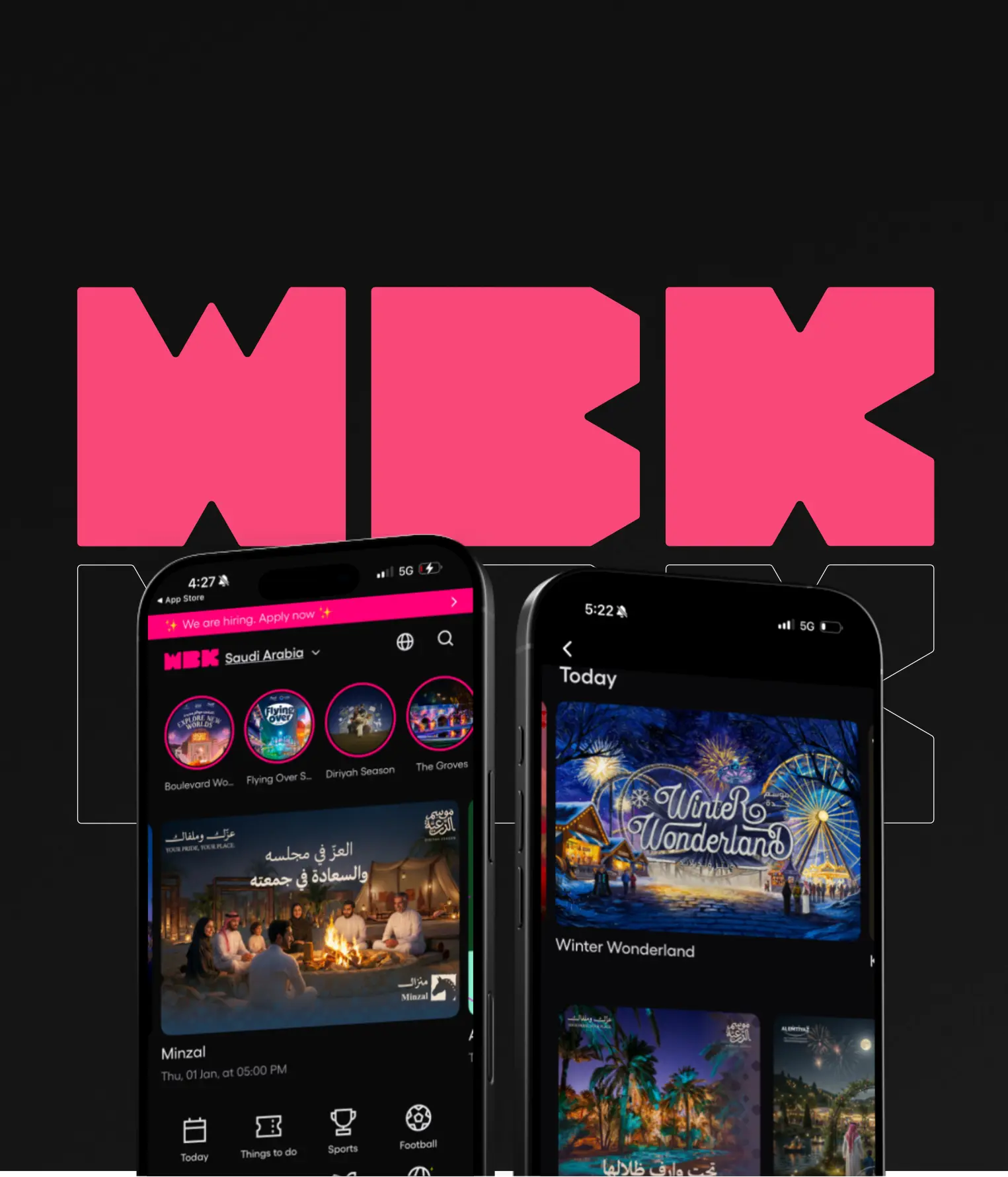
Webook
WEBSITEAPPENTERTAINMENT

Webook

plus
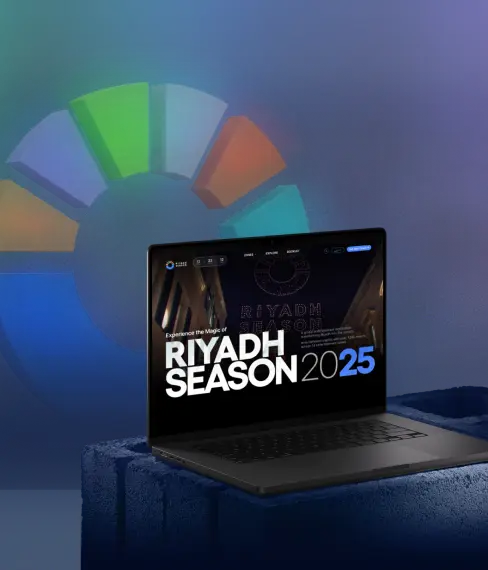
Riyadh Season
WEBSITEAPPENTERTAINMENT

Riyadh Season

plus
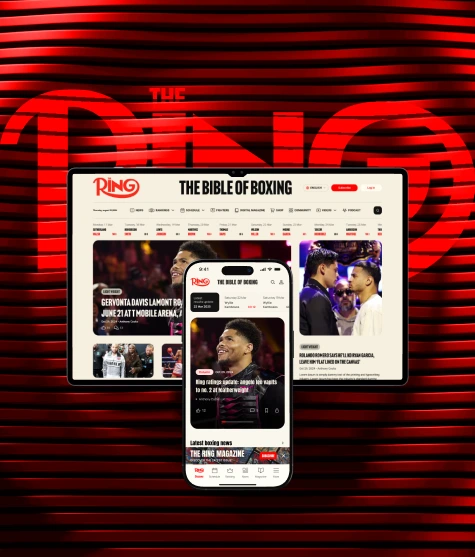
The Ring
WEBSITEAPPSPORTS

The Ring

plus
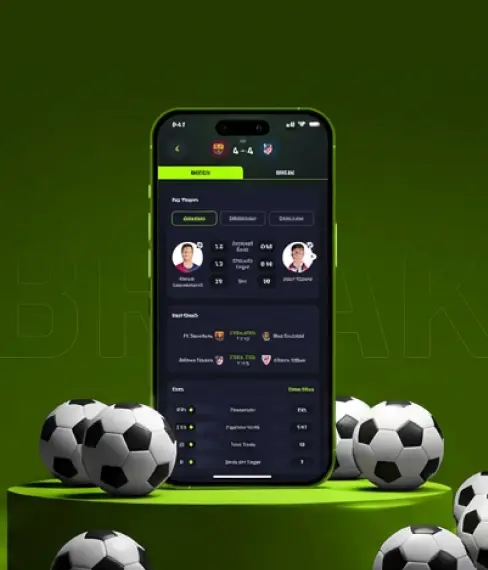
Koora Break
APPSPORTS

Koora Break

plus
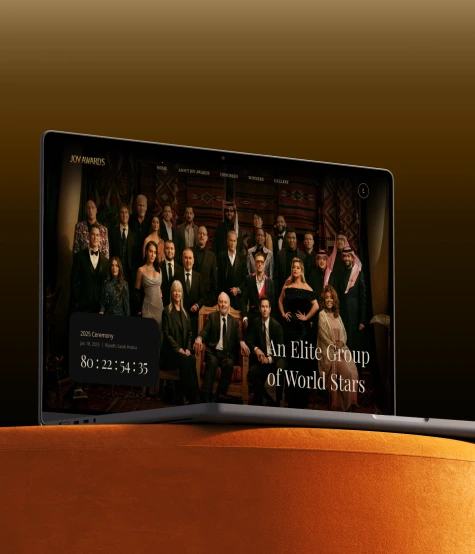
Joy Awards
WEBSITEAPPEVENTS

Joy Awards

plus
Alinma
APPFINANCIAL

Alinma

plus
DZRT
WEBSITEE-COMMERCE

DZRT

plus
Unification Strategy
APPDIGITAL TRANSFORMATION

Unification Strategy

plus
SAGP
WEBSITEAPPSPORTS

SAGP

plus
Misk
WEBSITEART

Misk

plus
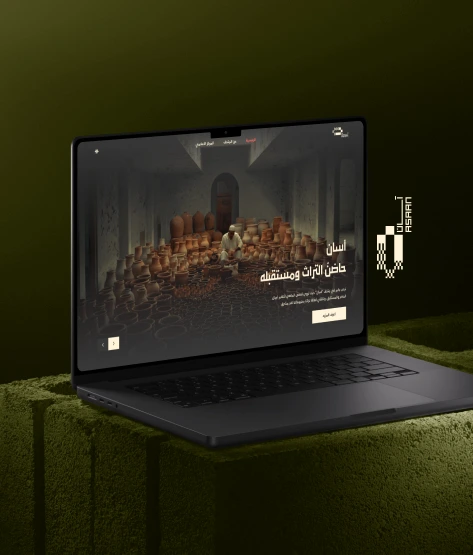
Asaan
WEBSITEART

Asaan

plus
Alaa Khotah
APPEDUCATIONAL

Alaa Khotah

plus
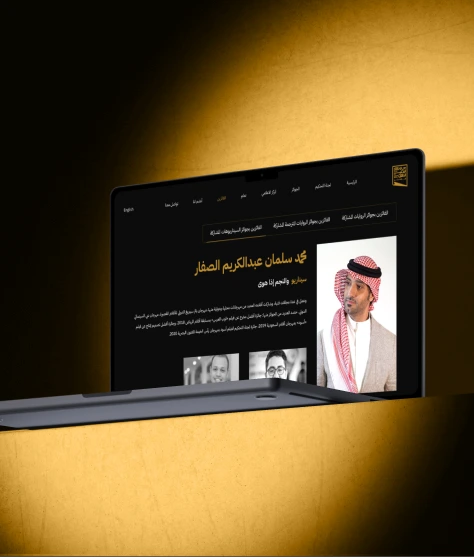
Golden Pen
WEBSITEEVENTS

Golden Pen

plus
EWC
APPE-Sports

EWC

plus
FAQS

FREQUENTLY ASKED QUESTIONS

Which Arabic dialects does your generative AI support?
We support Modern Standard Arabic (MSA) as the default written register, with specific capability in Khaleeji (Gulf), Hejazi, Najdi, and Egyptian dialects depending on your target audience. Dialect-specific corpus collection and fine-tuning are conducted where dialect accuracy is required, for example, in customer-facing conversational AI or marketing content targeting specific Gulf audiences.
What is the difference between RAG and fine-tuning, and which does our use case need?
RAG is best suited for knowledge-intensive use cases where answers need to be grounded in specific documents or policies that change frequently. Fine-tuning is most appropriate when you need to adapt a model’s language style, dialect, domain terminology, or output format. Most mature generative AI deployments use both, RAG for knowledge grounding and fine-tuning for language and tone adaptation, and we design the balance based on your specific use cases.
How do you handle hallucination and accuracy risks in Arabic generative AI?
Hallucination risk is addressed at multiple layers: RAG architecture grounding responses in verified source documents; fine-tuning building domain-specific factual recall; automated evaluation metrics flagging factual inconsistency; and human evaluation by Arabic-speaking domain experts who can identify cultural and factual errors that automated systems miss. Our Safety & Governance Scorecard includes a hallucination dimension monitored through the model’s production lifecycle.
What compliance documentation do you produce?
Every deployment includes: model lineage and training data provenance; evaluation results across automated and human benchmarks; Safety & Governance Scorecard results (toxicity, bias, hallucination, PII/compliance); red-teaming and jailbreak testing methodology and outcomes; known limitations and recommended mitigations; governance controls in place; and a Model Refresh & Monitoring Plan. Designed to satisfy SDAIA, PDPL, and NDMO regulators.
Can you fine-tune models on our proprietary data?
Yes. We design fine-tuning pipelines that can operate on your proprietary data within your security perimeter, on-premise, in a private cloud environment, or in a compliant managed environment, without requiring your data to leave your control. Data governance and security requirements are scoped at the start of every engagement.
Contact

Do you have more question?

If you have more questions, feel free to reach out to us anytime!

Are you interested
in our services?

Get in touch

please tell us a little bit about:

Dropdown Arrow