• The PastThe PastThe Past
  • The PresentThe PresentThe Present
  • About usAbout usAbout us
  • ServicesServicesServices
  • Case StudiesCase StudiesCase Studies
  • ArticlesArticlesArticles
  • UX CoursesUX CoursesUX Courses
  • CareersCareersCareers
  • Contact usContact usContact us
Logo
Logo
Address
7424 Takhassusi St. 12314 1st floor, offices 101 to 105 Riyadh, Saudi Arabia
Location on map
E-mail
hello@uxbert.com
Phone
+966 55 517 50 57

Quick Links

  • About usAbout usAbout us
  • UX CoursesUX CoursesUX Courses
  • Case StudiesCase StudiesCase Studies
  • CareersCareersCareers
  • Contact usContact usContact us
  • ArticlesArticlesArticles

Services

  • User Experience & ResearchUser Experience & ResearchUser Experience & Research
  • User Interface Design (UI)User Interface Design (UI)User Interface Design (UI)
  • DevelopmentDevelopmentDevelopment
  • MarketingMarketingMarketing
  • Strategy & TransformationStrategy & TransformationStrategy & Transformation
  • Artificial Intelligence (AI)Artificial Intelligence (AI)Artificial Intelligence (AI)
  • Augmented Reality (AR)Augmented Reality (AR)Augmented Reality (AR)

Follow us

  • thumbnail for LinkedIn
    LinkedInLinkedInLinkedIn
  • thumbnail for X
    XXX
  • thumbnail for Instagram
    InstagramInstagramInstagram
  • thumbnail for Youtube
    YoutubeYoutubeYoutube
  • thumbnail for Facebook
    FacebookFacebookFacebook

Transform and grow your business now

Hire us
© 2026 UXBERT. All Rights Reserved.
  • Privacy Policy
  • Terms of service

User Acceptance Testing

Scroll down
user acceptance testing
website user acceptance testing
user acceptance testing services
UAT for digital transformation
user acceptance testing in software engineering
user acceptance testing plan
Difficult registration processes and forms
Too many CTAs (“Calls to Action”)
Overlooking the power of user feedback
The website is hard to navigate
user acceptance testing
website user acceptance testing
user acceptance testing services
UAT for digital transformation
user acceptance testing in software engineering
user acceptance testing plan
Difficult registration processes and forms
Too many CTAs (“Calls to Action”)
Overlooking the power of user feedback
The website is hard to navigate
user acceptance testing
website user acceptance testing
user acceptance testing services
UAT for digital transformation
user acceptance testing in software engineering
user acceptance testing plan
Difficult registration processes and forms
Too many CTAs (“Calls to Action”)
Overlooking the power of user feedback
The website is hard to navigate
user acceptance testing
website user acceptance testing
user acceptance testing services
UAT for digital transformation
user acceptance testing in software engineering
user acceptance testing plan
Difficult registration processes and forms
Too many CTAs (“Calls to Action”)
Overlooking the power of user feedback
The website is hard to navigate
user acceptance testing
website user acceptance testing
user acceptance testing services
UAT for digital transformation
user acceptance testing in software engineering
user acceptance testing plan
Difficult registration processes and forms
Too many CTAs (“Calls to Action”)
Overlooking the power of user feedback
The website is hard to navigate
user acceptance testing
website user acceptance testing
user acceptance testing services
UAT for digital transformation
user acceptance testing in software engineering
user acceptance testing plan
Difficult registration processes and forms
Too many CTAs (“Calls to Action”)
Overlooking the power of user feedback
The website is hard to navigate
user acceptance testing
website user acceptance testing
user acceptance testing services
UAT for digital transformation
user acceptance testing in software engineering
user acceptance testing plan
Difficult registration processes and forms
Too many CTAs (“Calls to Action”)
Overlooking the power of user feedback
The website is hard to navigate
user acceptance testing
website user acceptance testing
user acceptance testing services
UAT for digital transformation
user acceptance testing in software engineering
user acceptance testing plan
Difficult registration processes and forms
Too many CTAs (“Calls to Action”)
Overlooking the power of user feedback
The website is hard to navigate

Overview

User Acceptance Testing plays a critical role in ensuring that digital solutions truly meet user expectations before they go live. As a vital step in UAT for digital transformation, this phase validates real-world functionality, usability, and performance through hands-on testing by actual end users. It helps identify gaps, refine workflows, and confirm that the system aligns with business goals and customer needs.

By simulating everyday scenarios, UAT ensures that every feature works smoothly and intuitively, reducing risks and costly rework after launch. It provides stakeholders with confidence that the product is not only technically sound but also practical, user-friendly, and ready for successful adoption across the organisation.

Why choose our Professional User Acceptance Testing Services?

Choosing our professional user acceptance testing services means partnering with a team that understands the critical role of user acceptance testing in software engineering. We ensure your digital product is not only functional but truly usable, validating every feature from the perspective of real end users. Our approach focuses on uncovering hidden issues, ensuring smooth workflows, and confirming that your system meets business requirements before launch.

Our expert UAT team uses structured test scenarios, real-world simulations, and data-driven insights to deliver precise, reliable results. We bridge the gap between technical development and user expectations, helping organisations deploy software that is intuitive, efficient, and ready for seamless adoption. With our thorough testing processes, you can reduce costly post-release fixes and ensure a flawless user experience.

We also offer flexible engagement models tailored to your project’s needs. Whether you’re launching a new platform, upgrading an existing system, or undergoing a large-scale transformation. By choosing us, your secure accuracy, stability, and usability at every stage. We ensure your product goes live with confidence, backed by the highest standards in user acceptance testing in software engineering.

Discover more about our digital services get to know our expert team.

Our Process

For User Acceptance Testing!

User-Driven Testing for Flawless Delivery

01

UAT Planning & Scope Definition

UAT Planning & Scope Definition lays the foundation for a smooth and successful testing cycle by clearly outlining what needs to be tested and how it will be validated. In website user acceptance testing, this stage identifies key user journeys, core functionalities, and critical business rules to ensure every essential element is reviewed from the end-user perspective. By defining detailed test scenarios, acceptance criteria, timelines, and responsibilities upfront, we create a structured roadmap that minimises gaps, reduces risks, and ensures your website is fully aligned with user expectations before launch.

02

Test Case Development

It is a crucial step in creating a clear, structured blueprint for how your product will be validated during UAT. In this phase, we design detailed and realistic test cases that reflect actual user behaviours, covering key actions, edge cases, and business-critical workflows. Each test case includes well-defined steps, expected results, and acceptance criteria to ensure consistency and accuracy. By building strong test case documentation, we enhance the effectiveness of user acceptance testing, reduce ambiguity, and ensure your website or application performs exactly the way users expect.

03

Execution with End Users

Execution with end users is the heart of your user acceptance testing plan, where real users interact with the website or application in practical, everyday scenarios. During this phase, end users follow structured test cases, provide feedback, and validate whether the system truly meets their needs. Their hands-on engagement helps uncover usability issues, workflow gaps, or unexpected behaviours that may not surface during technical testing. By involving actual users in the execution stage, you ensure the final product is intuitive, reliable, and ready for a confident, user-approved launch.

Your Benefits

01
Real-World Validation
Ensure the product meets user needs and business requirements in real-world scenarios.
02
Risk Reduction
Identify critical issues before launch, reducing the chance of costly post-release fixes.
03
Confident Go-Live
Gain stakeholder and user approval with proven functionality and usability.
Case Studies

Related Case Studies

Webook
WEBSITEAPPENTERTAINMENT

Webook

plus
Riyadh Season
WEBSITEAPPENTERTAINMENT

Riyadh Season

plus
The Ring
WEBSITEAPPSPORTS

The Ring

plus
Koora Break
APPSPORTS

Koora Break

plus
Joy Awards
WEBSITEAPPEVENTS

Joy Awards

plus
Alinma
APPFINANCIAL

Alinma

plus
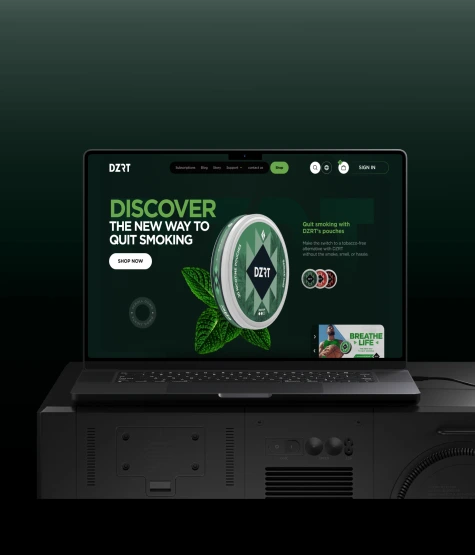
DZRT
WEBSITEE-COMMERCE

DZRT

plus
Unification Strategy
APPDIGITAL TRANSFORMATION

Unification Strategy

plus
SAGP
WEBSITEAPPSPORTS

SAGP

plus
Misk
WEBSITEART

Misk

plus
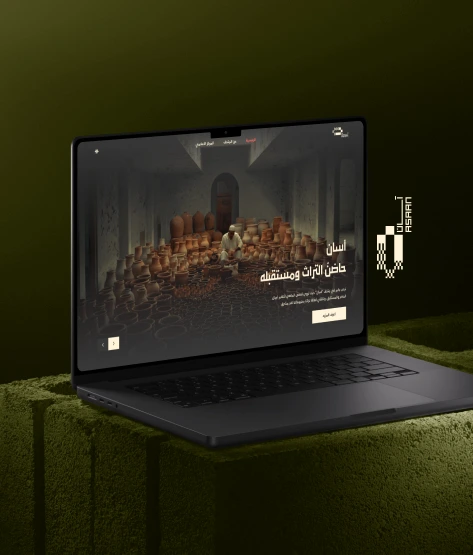
Asaan
WEBSITEART

Asaan

plus
Alaa Khotah
APPEDUCATIONAL

Alaa Khotah

plus
Golden Pen
WEBSITEEVENTS

Golden Pen

plus
EWC
APPE-Sports

EWC

plus
FAQS

FREQUENTLY ASKED QUESTIONS

How is UAT related to project cost?
User Acceptance Testing (UAT) is directly related to project cost by serving as a critical risk-mitigation tool that prevents expensive postlaunch fixes. Although conducting UAT requires an initial investment of time and resources, it significantly reduces the overall cost of a project by catching defects and usability issues before they reach production
How does UAT help improve customer experience?
By testing real workflows and user journeys, UAT ensures that customers face fewer errors, smoother navigation, and more reliable interactions, leading to higher satisfaction and loyalty.
How does UAT support digital transformation projects?
UAT ensures that new digital systems integrate smoothly with business operations. It confirms that the technology supports improved efficiency, automation, and user experience, making digital transformation more successful.
Why is UAT considered important?
UAT is crucial because it validates that a product meets the end-user's needs and business requirements in a real-world environment, serving as the final quality gate before launch.
Contact

Do you have more question?

If you have more questions, feel free to reach out to us anytime!

Are you interested
in our services?

Get in touch

please tell us a little bit about:

Dropdown Arrow